
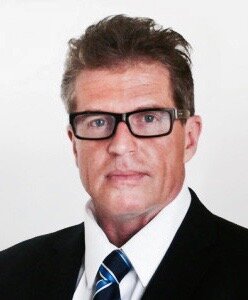
Dr. Ernst von Schwarz
Professor Dr. Ernst von Schwarz MD, Ph.D., FESC, FACC, FSCAI is a US-based world-renowned triple board-certified Clinical and Academic Cardiologist and Clinical Professor of Medicine at UCLA.
He joined Cedars Sinai Medical Center and UCLA as Director of the Cardiac Device Program in 2006, he was appointed Director of Cardiology at the Heart Institute Of Southern California Hospital Culver City in 2015 and chairman of Pacific Heart Medical Group and Medical Director of Heart Stem Inc in 2016.
He is considered a worldwide pioneer in the field of stem cell research. He has published over 150 scientific papers in international peer-reviewed Medical Journals as well as several books and book chapters. He is a sought after expert witness in several high profile cases and a regular contributor to TV and Radio.
Dr von Schwarz is a prolific speaker lecturing worldwide at International scientific conferences including American Heart Association, American College Of Cardiology, European Society Of Cardiology to name but a few.
Our Office Procedures

Nuclear Exercise Stress Exam
A specific test which uses radioactive isotopes to test your heart’s response to exercise on a treadmill as well as the amount of blood flow to your heart muscle at rest and at exercise. A drug administered nuclear exam is used if a patient cannot exercise on a treadmill due to physical limitations. In this case medication is given to simulate exercise without physical exertion.
Echocardiogram
A test that uses ultrasound waves to create a moving picture of the heart. The picture is much more detailed than X-ray images and involves no radiation exposure.
Exercise Stress Test
A general screening tool to test the effect of exercise on your heart. The test gives a general sense of how healthy your heart is.
EKG
A test that measures the electrical activity of the heart. This includes the rate and regularity of beat as well as the size and position of the chambers, any damage to the heart and the effects of drugs, devices to regulate the heart.
Event Monitor
A small recorder (monitor) is attached to electrodes on your chest. It is worn continuously for a period of time. If symptoms are felt, an event button can be depressed and the heart’s rhythm is recorded and saved in the recorder.
Holter Monitoring
Provides a continuous recording of heart rhythm during normal activity. The monitor is usually worn for 24 hours to obtain a recording of a complete day.
Our Hospital Procedures
Cardiac Catheterization
Involves passing a catheter (a thin flexible tube) into the right or left side of the heart. In general, the procedure is performed to obtain diagnostic information about the heart or its blood vessels or to provide treatment in certain types of heart conditions.
Tilt Table Test
Used to diagnose patients with unexplained fainting spells or syncope. During the test heart rate, blood pressure or other measurements can be made while the patient lies on a table which is tilted so he or she can be monitored in different positions from lying down to standing upright.
Angioplasty
A medical procedure in which a balloon is used to open narrowed or blocked blood vessels of the heart (coronary arteries)
TEE
A diagnostic procedure in which a transducer is passed down into the esophagus to a location behind the heart where sound waves are sent and delivered to image the heart.
Cardioversion
Delivers an electrical shock to a person’s heart to rapidly restore an abnormal heart rhythm back to normal.
Get In Touch
Send us a message
Call
LA Office: 310-840-7089
Temecula Office: 951-698-4433
Stem Cell Office: 844-468-7836
Mailing address
324 S Beverly Drive #711
Beverly Hills, CA 90212